
pDNA Development & Manufacturing

From plasmid development to scalable cGMP manufacturing, our integrated pDNA capabilities support advanced therapy and biopharmaceutical programs through development, scale-up, and clinical manufacturing.

Advancing plasmid DNA from development to scale

From early development to GMP manufacturing, we support plasmid DNA (pDNA) programs for applications including viral vector production, cell therapy, gene therapy, mRNA manufacturing, and other advanced biopharmaceutical applications.

Our integrated capabilities allow us to meet programs at different stages—whether you are developing a new plasmid, transferring an established pDNA process, or preparing for cGMP manufacturing. With upstream and downstream process development, analytical characterization, cell banking, scale-up, and manufacturing under one CDMO, we help build a practical path from plasmid to cGMP production while maintaining focus on yield, purity, quality, and process robustness.

pDNA capabilities at a glance

High-yield supercoiled pDNA production

Development of robust processes for high-yield production of supercoiled plasmid DNA using E. coli expression systems, with process strategies tailored to the plasmid construct and program requirements.


Flexible program entry

Engage from early pDNA development or transfer an established plasmid and process for optimization, scale-up, technology transfer, and cGMP manufacturing.


Integrated process development

Upstream fermentation and downstream purification development, optimization, and scale-up within an integrated development and manufacturing environment, with a focus on plasmid yield, purity, quality, and process robustness.


Purification and impurity control

Downstream processes designed for efficient pDNA recovery and removal of process-related impurities, including RNA, host cell proteins (HCP), endotoxins, and genomic DNA.


Scalable cGMP manufacturing

Microbial cGMP production from 300 L to 3,000 L working volume, providing scalable manufacturing capacity for pDNA programs as they progress through clinical development.

Resources

Frequently asked questions

What biological platforms do you support for upstream development?

We develop processes across mammalian cell culture and microbial (bacteria and yeast) fermentation, covering a broad range of biologics and advanced therapy modalities.

We support development from small-scale qualification studies up to pilot batches of 200 L using single-use bioreactors, designed for seamless scale-up to cGMP manufacturing.

We combine data-driven experimentation, DoE, and process characterization studies to build robust, well-defined processes that are optimized for reliable transfer to cGMP.

Yes. Our downstream workflows are designed to align with upstream production scales, enabling full-batch purification in a single run.

Yes. Viral clearance studies are part of our downstream capabilities to assess and ensure the viral safety of your product.

We develop both liquid and lyophilized formulations compatible with vials and prefilled syringes, suitable for clinical and commercial use.

Yes. We conduct stress, accelerated, and long-term stability studies following ICH guidelines, supporting shelf-life determination and regulatory submissions.

Frequently asked questions

Where are your pDNA development and manufacturing capabilities located?

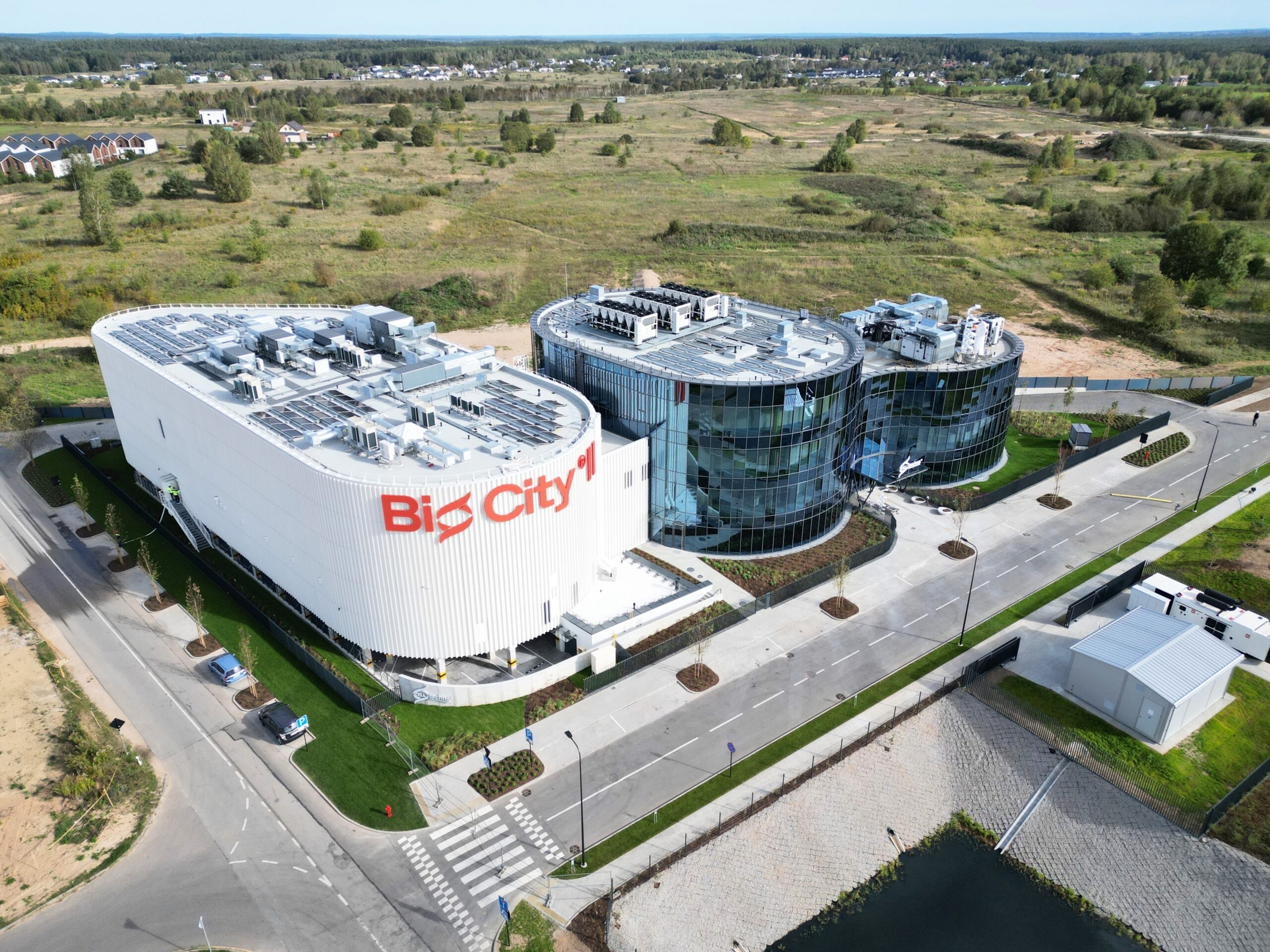
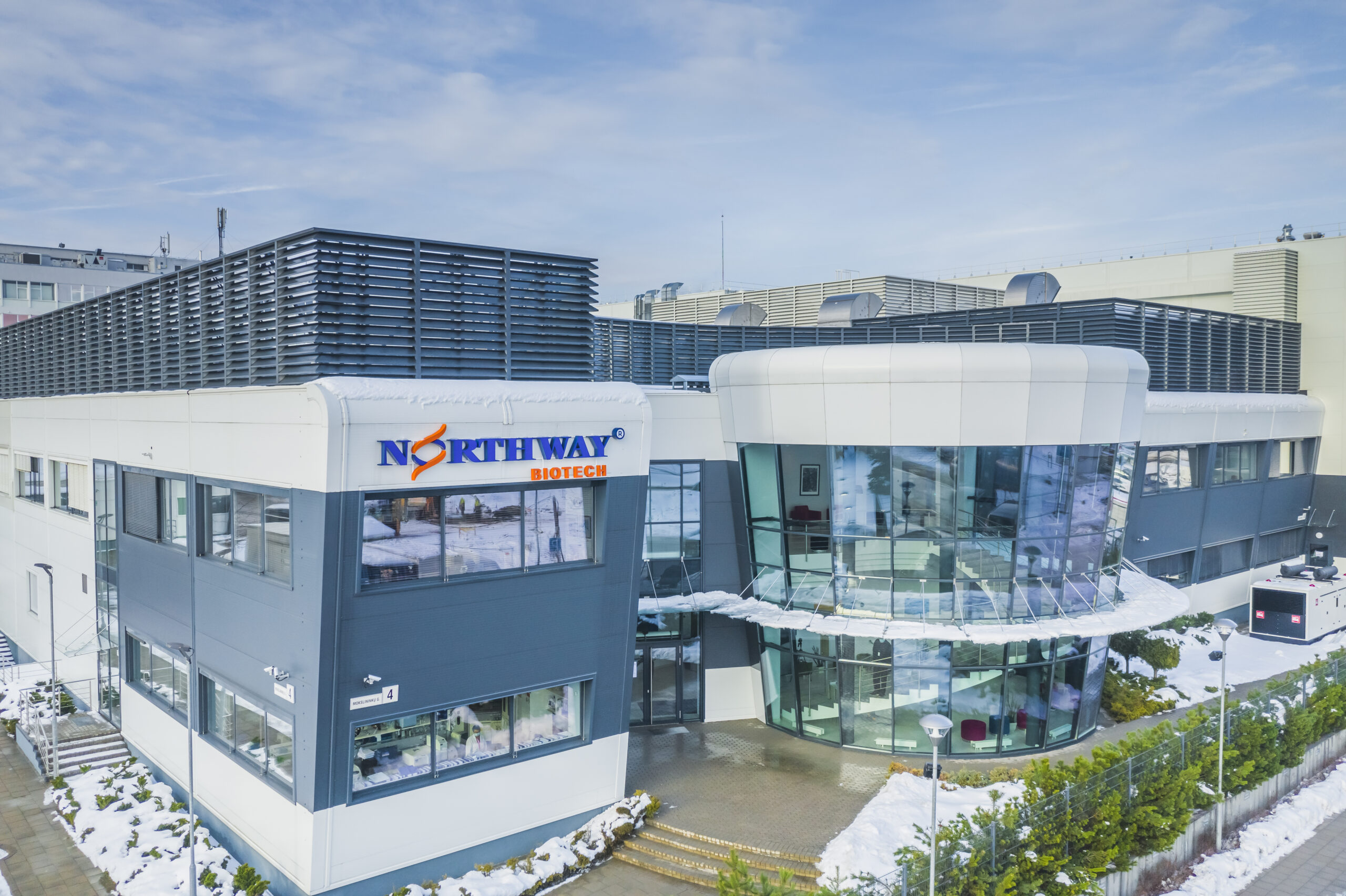
Our pDNA development and manufacturing capabilities span our biologics sites in Waltham, MA, and Vilnius, Lithuania, as well as our gene therapy site in Vilnius. This cross-site network allows pDNA programs to access development, analytical, scale-up, and cGMP manufacturing capabilities based on program needs, while also enabling closer integration with downstream gene therapy workflows where relevant.

Our pDNA manufacturing capabilities can support a range of applications, including viral vector production, cell therapy workflows, gene therapy, mRNA manufacturing, and other advanced biopharmaceutical applications. The development and manufacturing approach can be tailored to the intended use and specific requirements of the plasmid.

Yes. An incoming pDNA process does not need to be manufacturing-ready. Where needed, our upstream development team can optimize fermentation conditions and other process parameters to improve plasmid yield, consistency, robustness, and scalability before transfer into cGMP manufacturing.

Analytical characterization and quality controls are integrated throughout pDNA development and manufacturing. We assess relevant product and process attributes to support plasmid identity, purity, quality, consistency, and control of process-related impurities throughout the manufacturing process.

Yes. pDNA can be integrated into broader development and manufacturing workflows, including viral vector and cell therapy programs. Bringing pDNA and downstream advanced therapy capabilities together within Northway Biotech can help simplify technology interfaces and create a more coordinated development and manufacturing pathway.