


Viral Clearance Studies

Integrated and standalone viral clearance studies designed to evaluate the virus removal and inactivation capacity of biopharmaceutical purification processes.

Six parallel study setups

Capacity to conduct up to six individual viral clearance studies in parallel.

Integrated or standalone

Viral clearance studies available within Northway Biotech CDMO programs or as a standalone service.

Early- to late-phase support

Study strategies tailored to the development stage and applicable regulatory expectations.

Process-representative studies

Scaled-down purification steps designed to represent relevant manufacturing process conditions.

End-to-end study execution

From pre-study assessment and study design through execution, data evaluation, and final reporting.

Regulatory-focused approach

Studies designed with consideration of ICH Q5A(R2) and relevant FDA and EMA expectations.

Advancing viral safety from study design to final report

Viral clearance studies are an important component of the viral safety strategy for many biologics manufactured using mammalian, insect, or other cell-based production systems.

At Northway Biotech, we support viral clearance programs from study design and pre-study assessment through execution, data evaluation, and final reporting. Studies are tailored to the manufacturing process and development stage, with a focus on representative process conditions, scientifically justified virus selection, and regulatory expectations.

Our viral clearance capabilities can be accessed as part of an integrated development and manufacturing program or as a standalone service, providing flexibility for programs developed or manufactured elsewhere.

From your process to a representative viral clearance study

Before study execution, we assess the manufacturing process, available process knowledge, and study objectives to establish an appropriate viral clearance strategy.

Our teams work with clients to define relevant process steps, virus panels, operating conditions, sampling strategies, and analytical requirements. Process steps are then reproduced at an appropriate study scale to evaluate virus removal or inactivation while maintaining relevance to the intended manufacturing process.

Specialized infrastructure

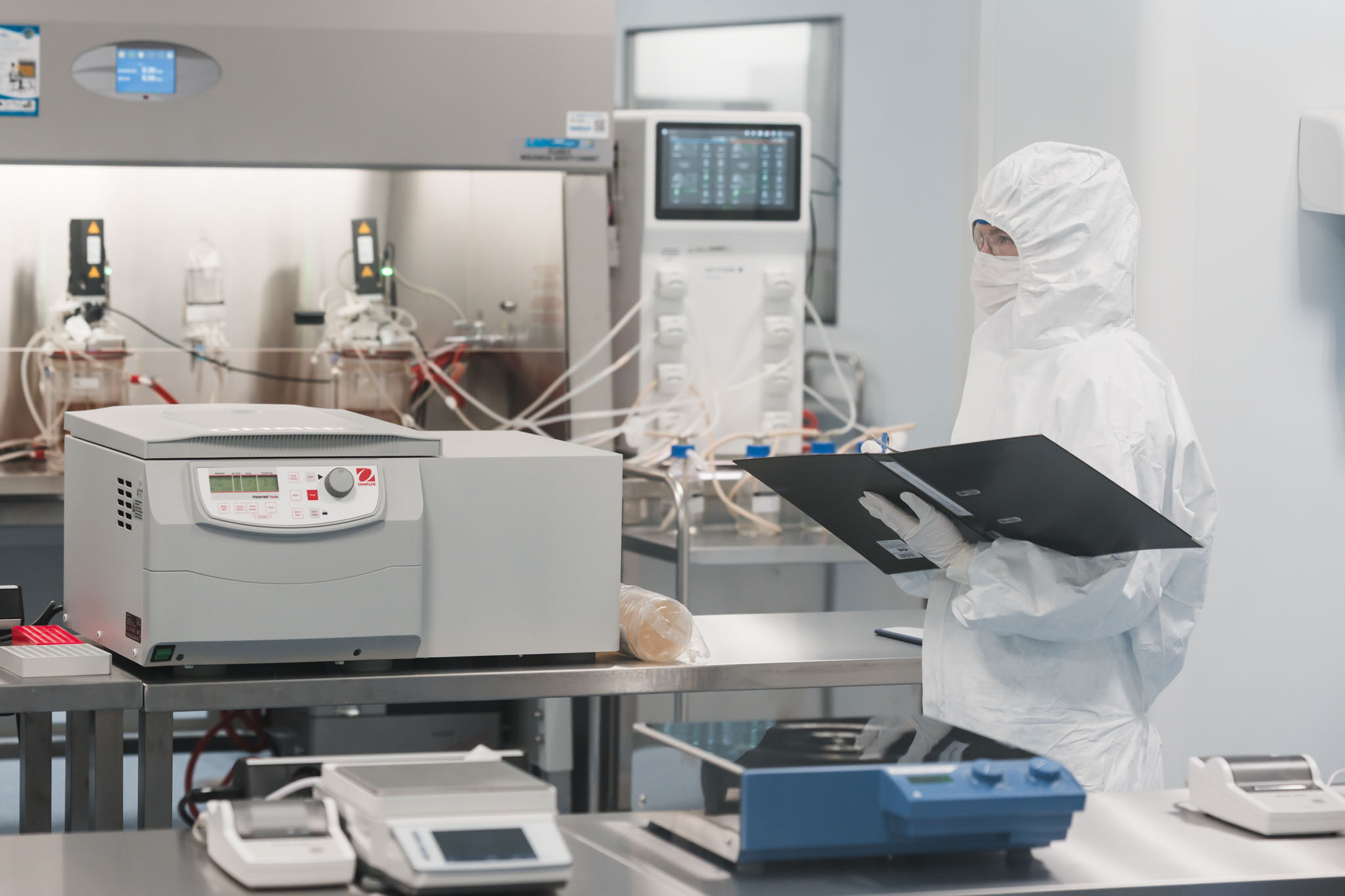
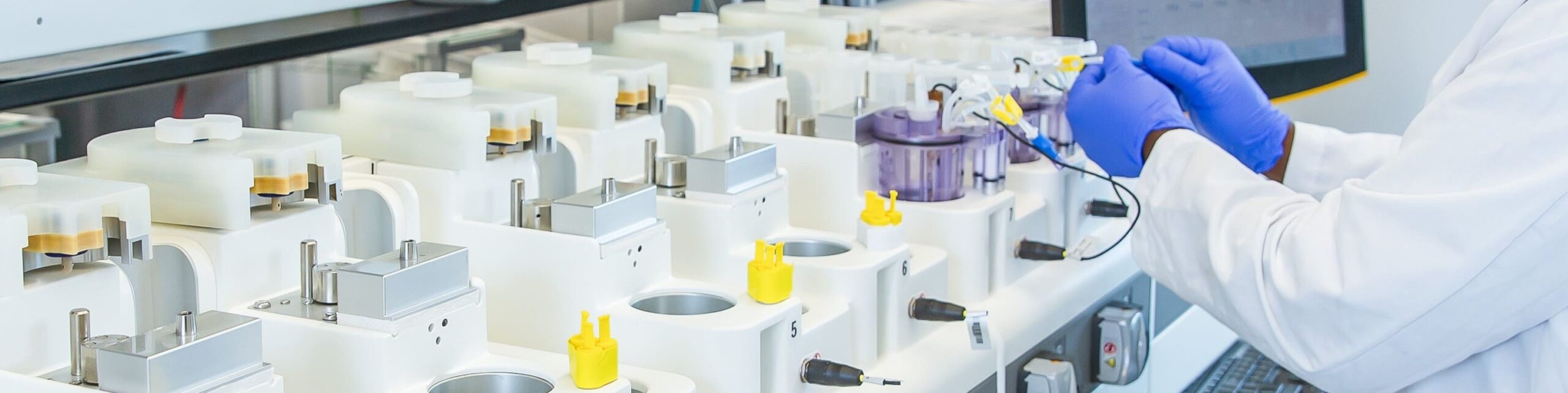
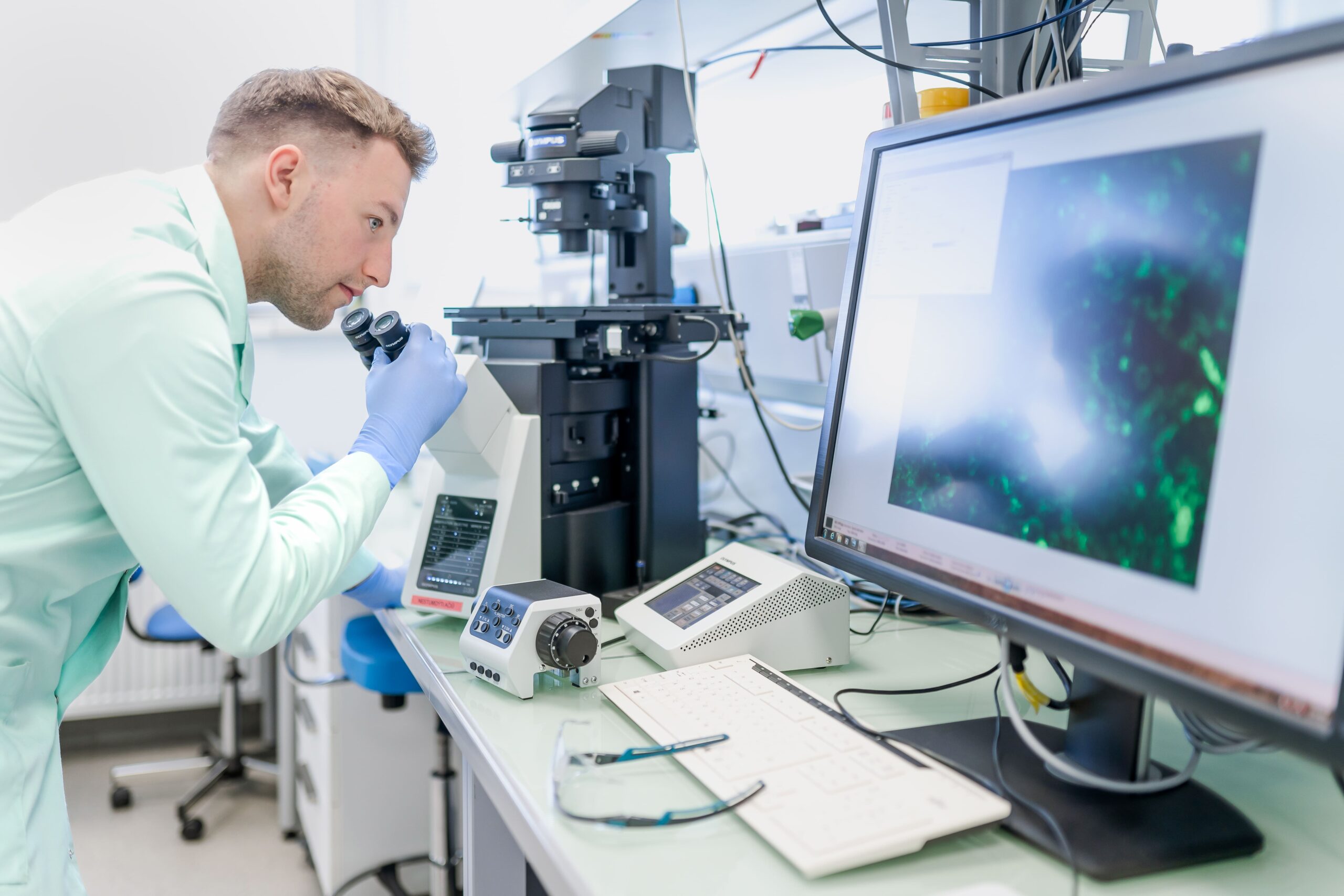
Six dedicated study setups support parallel execution of viral clearance studies, with chromatography and filtration systems for representative scale-down of purification processes.

Study capabilities

  • Study design and scientific consultation
  • Pre-study assessment and assay compatibility
  • Virus panel selection and study strategy
  • Shipment and coordination of study materials
  • Representative scale-down of purification process steps
  • Virus spiking and process simulation
  • Testing and log reduction value (LRV) calculation
  • Data evaluation and QA/QC-reviewed final reporting

Frequently asked questions

At what stage should viral clearance studies be performed?

The timing and scope of viral clearance studies depend on the development stage and regulatory strategy. Studies are typically performed once the relevant downstream process is sufficiently defined to allow representative evaluation of virus removal and inactivation steps. We can support study strategies appropriate to both earlier- and later-stage programs.

Virus selection is based on factors including the production system, potential viral risks, characteristics of the manufacturing process, and applicable regulatory expectations. We work with clients to establish a scientifically justified virus panel appropriate to the product and study objectives.

Yes. Relevant purification steps can be scaled down and assessed under representative process conditions. Pre-study work can be used to establish process and assay suitability before execution of the viral clearance study.

Yes. Viral clearance studies can be performed as part of an integrated Northway Biotech development and manufacturing program or as a standalone service for processes developed or manufactured elsewhere.

Yes. Our dedicated infrastructure provides capacity for up to six individual studies to be conducted in parallel, supporting efficient execution of more complex study programs.

Our studies are designed with consideration of applicable regulatory expectations, including ICH Q5A(R2), and include controlled study execution, data evaluation, and QA/QC-reviewed reporting to support development and regulatory documentation.
Resources