

Analytical Methods Development

Integrated analytical development and characterization for biologics, gene therapy, and cell therapy - from early development through cGMP manufacturing.

MULTI-MODALITY ANALYTICS

Biologics, gene therapy & cell therapy

METHOD DEVELOPMENT TO VALIDATION

Fit-for-purpose methods across development stages

ADVANCED CHARACTERIZATION

Structure, identity, purity & product quality

POTENCY & FUNCTIONAL ASSAYS

Cell-based, binding & functional assay capabilities

PROCESS-INTEGRATED ANALYTICS

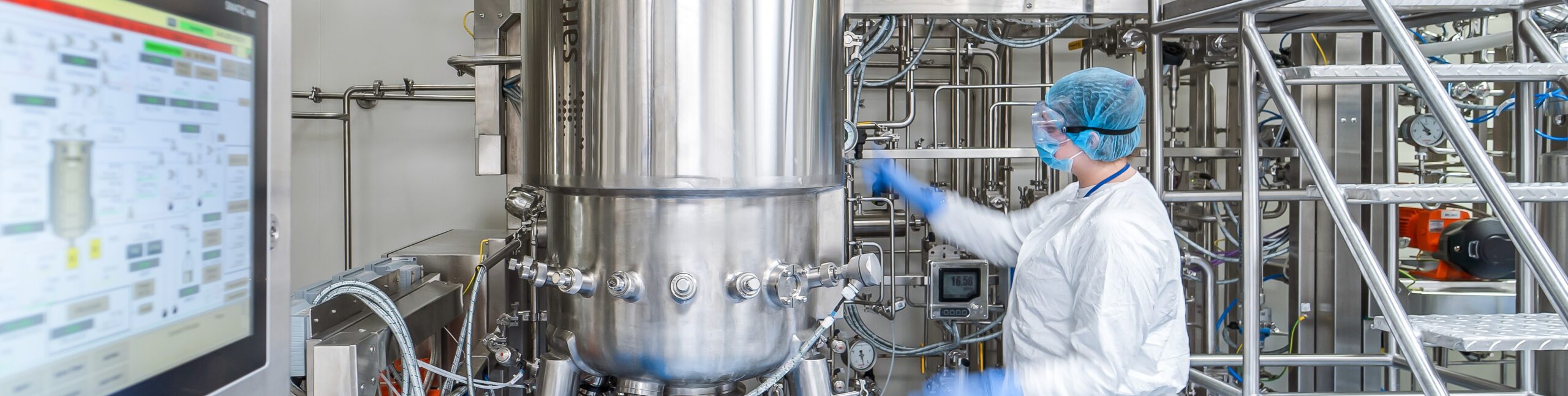
Supporting process development, scale-up & manufacturing

EXTENSIVE ANALYTICAL INFRASTRUCTURE

Chromatographic, molecular, biophysical, MS & cell-based technologies

Analytics built around your product and process

Our analytical teams support biologics, gene therapy, and cell therapy programs with analytical strategies tailored to the product, process, and stage of development.

From physicochemical and structural characterization to molecular, biophysical, and functional assays, we develop the methods needed to understand product quality and process performance. Analytical and process development are closely integrated, allowing data to directly inform process optimization, characterization, scale-up, and technology transfer.

Analytical capabilities across modalities

Biologics analytics

Comprehensive analytical development and characterization for monoclonal and multispecific antibodies, recombinant proteins, fusion proteins, and other complex biologics.


Physicochemical & structural characterization

  • Chromatographic methods including SEC, RP, IEX, and HIC
  • CE-SDS, icIEF, CZE, SDS-PAGE, and complementary electrophoretic methods
  • LC-MS/MS and mass spectrometry-based characterization
  • Protein concentration and spectroscopic analysis
  • Particle and aggregate characterization
  • Orthogonal physicochemical and structural characterization


Biological & functional characterization

  • Cell-based biological assays
  • Binding and interaction assays
  • ELISA and immunochemical methods
  • Product-specific potency and functional assay development

Gene therapy analytics

Integrated analytics for viral vectors and plasmid DNA, combining molecular, biophysical, physicochemical, and functional methods to characterize product identity, quantity, purity, integrity, and biological activity.


Viral vector analytics

Titer & identity

  • Vector genome titer by ddPCR and PCR-based methods
  • Vector identity and molecular characterization
  • Capsid and particle characterization

Capsid & product characterization

  • Empty, partial & full capsid characterization by AUC
  • Capsid protein characterization
  • Purity and aggregation assessment
  • Orthogonal physicochemical characterization

Genome characterization

  • Vector genome identity and integrity
  • PCR-based molecular characterization
  • Assessment of relevant nucleic acid impurities

Potency & function

  • Cell-based potency assay development
  • Transduction and infectivity assessment
  • Transgene expression
  • Product-specific functional assays


Plasmid DNA analytics

  • Identity and concentration
  • Plasmid topology and supercoiled content
  • Integrity and molecular characterization
  • Purity and impurity profiling
  • Residual RNA, host-cell DNA, host-cell proteins, and other relevant process-related impurities
  • PCR-based and complementary molecular methods

Cell therapy analytics

Cell therapies require analytical strategies designed for living, dynamic products. Our capabilities combine cellular, molecular, and functional approaches to support product characterization and process understanding throughout development.


Cellular identity & phenotype

  • Multiparameter flow cytometry and immunophenotyping
  • Cell identity and population characterization
  • Purity and cellular composition
  • Cell enumeration and viability
  • Phenotypic characterization


Molecular characterization

  • qPCR and ddPCR-based methods
  • Vector copy number assessment, where applicable
  • Transduction efficiency
  • Transgene expression
  • Product-specific molecular characterization


Potency & functional characterization

  • Cell-based potency assay development
  • Functional assays aligned with product biology
  • Cytotoxicity and target-cell killing assays, where applicable
  • Cell proliferation and activation assays
  • Cytokine and secreted-factor analysis
  • Binding and complementary functional assays

Frequently asked questions

What modalities can your analytical development teams support?

Our analytical capabilities support biologics, gene therapy, and cell therapy programs. Analytical strategies are tailored to the characteristics of each product, its manufacturing process, stage of development, and the intended use of the method.

Yes. We support analytical method development, optimization, qualification, validation, and transfer. Methods can be developed for new products or transferred and adapted from existing programs.

Our viral vector capabilities combine molecular, physicochemical, biophysical, and functional analytics, including AUC, ddPCR and other PCR-based methods, capsid and genome characterization, purity assessment, and cell-based functional assays.

Yes. We support characterization of plasmid DNA identity, concentration, purity, topology, supercoiled content, integrity, and relevant process- and product-related impurities, alongside analytical support for process development.

Our cell therapy analytical capabilities combine cellular, molecular, and functional approaches, including flow cytometry, cell identity and phenotyping, viability assessment, qPCR and ddPCR-based methods, and cell-based functional assays. Analytical strategies are tailored to the characteristics and intended function of the cell therapy product.

Yes. We develop cell-based, binding, and other functional assays tailored to the biological activity and intended mechanism of action of the product.

Yes. Client or third-party analytical methods can be transferred and assessed for their intended application. Where required, methods can be optimized, qualified, or validated as part of the transfer.

Our analytical and process development teams work together throughout development, enabling analytical data to inform process optimization, characterization, scale-up, technology transfer, and preparation for GMP manufacturing.

Resources